Exosome Hair Therapy
at maxim hair restoration
What Are Exosomes?
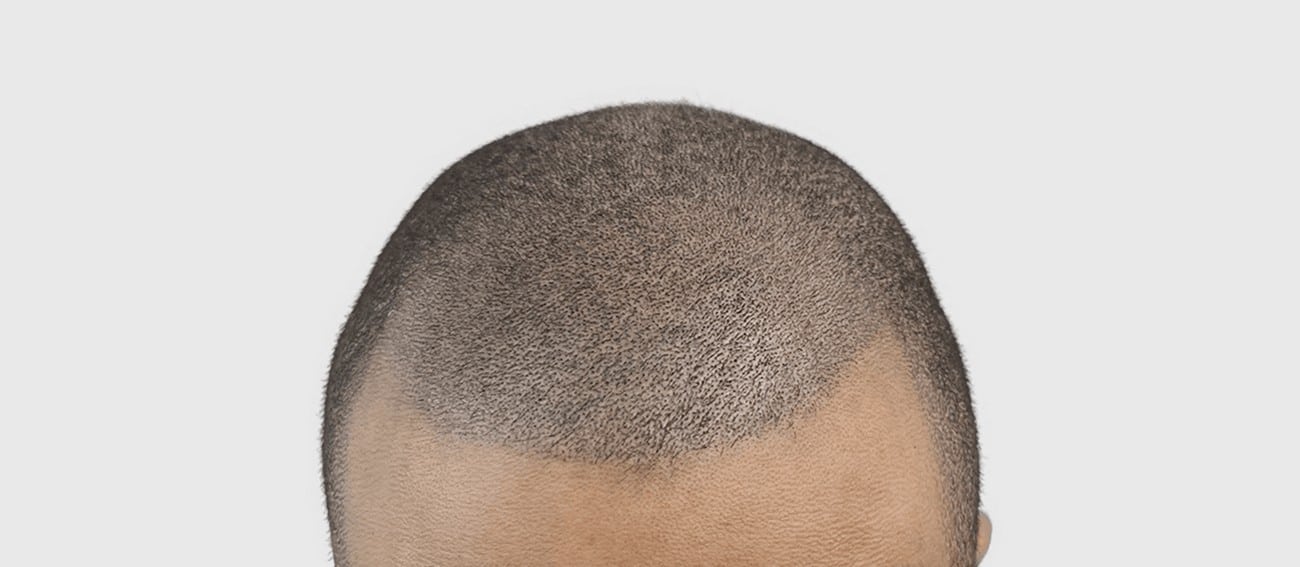
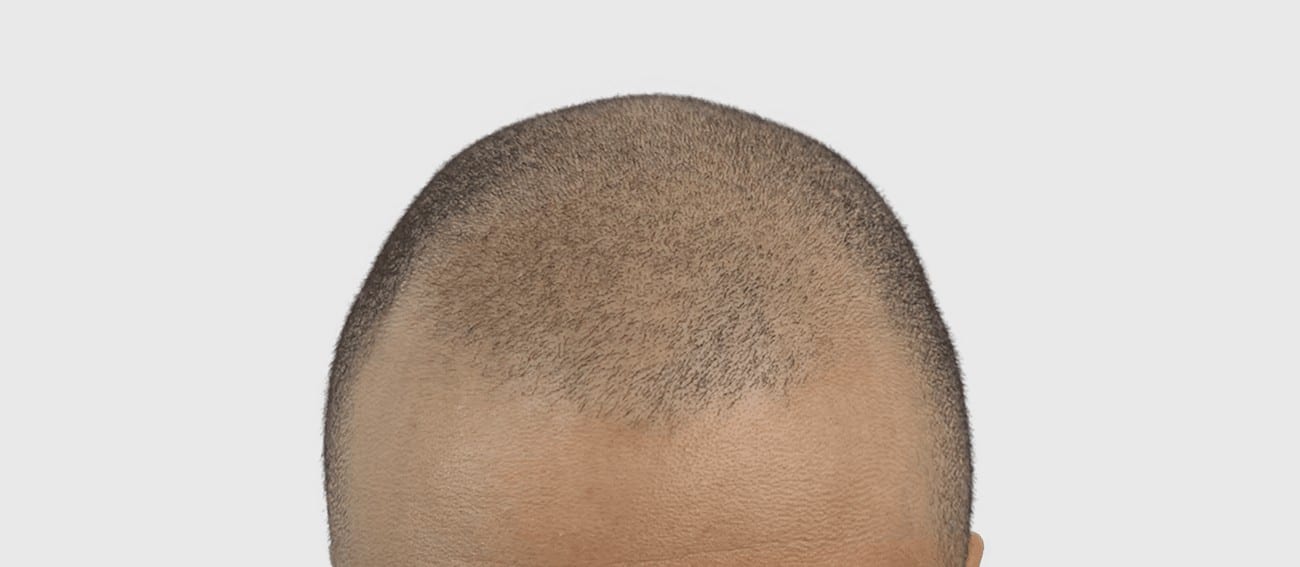
Exosomes are tiny cell-signaling particles that help cells communicate with one another. In regenerative aesthetics and hair restoration, exosomes are used for their signaling properties and ability to support the scalp environment. Exosomes are not stem cells. Instead, they are part of the communication system cells use to send signals and support biological activity. In hair restoration, exosome therapy may be used to support thinning areas, scalp health, and active follicles.
Our Gallery
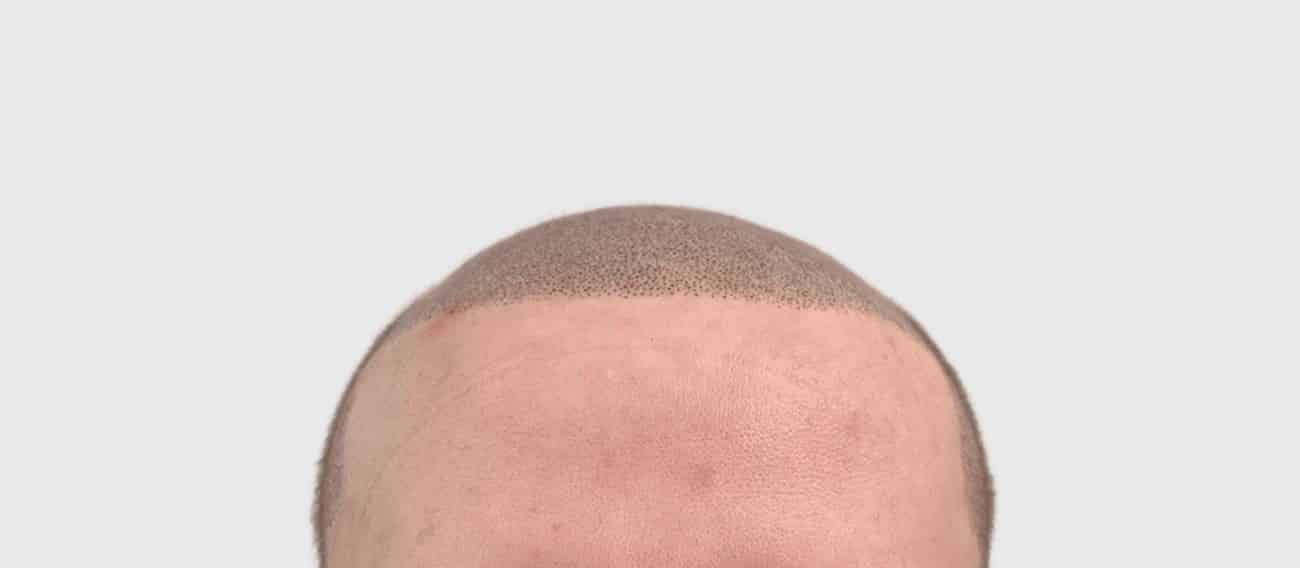
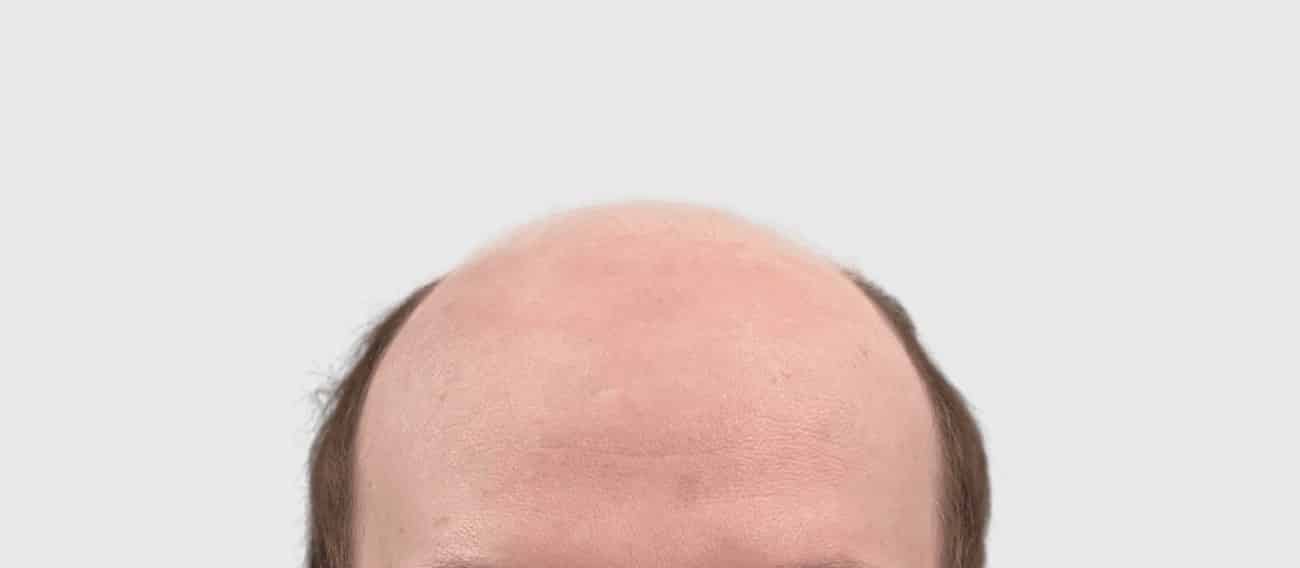
Proven outcomes backed by experience and expertise with real client testimonials
How Exosome Therapy Works

Hair follicles depend on a healthy environment to function properly. When the scalp environment is stressed, inflamed, or affected by genetic hair loss, follicles may become weaker over time.
Exosome therapy is designed to deliver cell-signaling support to targeted areas of the scalp. These signals may help support the conditions that active follicles need.
Because every patient’s hair loss is different, exosome therapy may be recommended on its own or as an add-on to another treatment.
Why Patients Consider Exosome Therapy

Patients may consider exosome therapy because it is:
- A regenerative non-surgical option
- Often used as part of a combination plan
- Designed to support scalp health
- Used to support thinning areas where follicles are still active
- Sometimes paired with stem cell hair restoration
- Sometimes recommended when additional regenerative support is desired
At Maxim, your provider will determine whether exosomes are appropriate based on your hair-loss pattern and goals.
Contact us
Who May Be a Candidate?
Exosome therapy may be considered for:
Exosome therapy may be considered for:
- Men with thinning hair
- Women with thinning hair
- Patients with early-to-moderate hair loss
- Patients with active follicles in thinning areas
- Patients seeking a regenerative non-surgical option
- Patients combining exosomes with stem cell hair restoration
- Patients who need additional scalp support as part of a broader plan
A consultation is required to determine whether exosome therapy is appropriate for your specific situation.
What to Expect
Your exosome therapy experience may include:

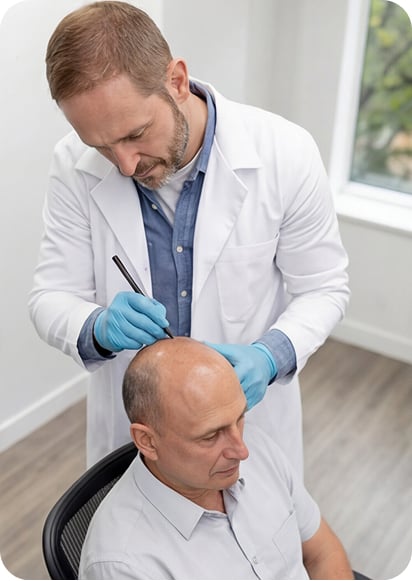
Hair and Scalp Evaluation
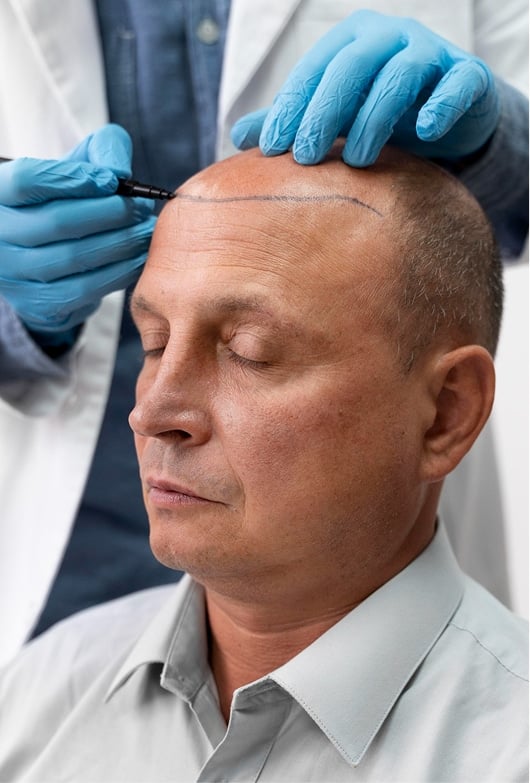
Your provider will evaluate your hair-loss pattern, scalp condition, and treatment goals.

Treatment Planning
Your provider will determine whether exosomes should be used alone or combined with another treatment such as stem cell hair restoration, PRP, PDO threads, or laser cap therapy.

In-Office Treatment
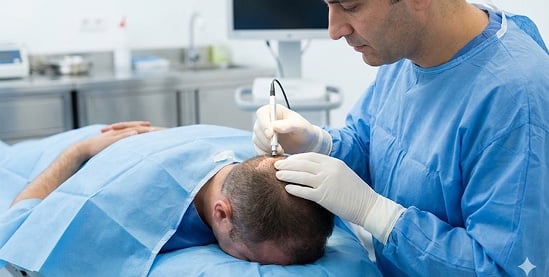
Exosome therapy is performed in-office. Your provider will explain how the treatment will be applied and what to expect afterward.

Gradual Progress
Hair restoration takes time. Changes, if they occur, typically develop gradually over several months.

Gradual Follow-Up
Hair changes take time. Your provider may recommend follow-up visits to monitor your response and determine whether additional treatment is appropriate.
Exosomes and Stem Cell Hair Restoration
- Exosome therapy is often discussed alongside stem cell hair restoration because both treatments are part of the regenerative hair restoration category.
Stem cell hair restoration focuses on regenerative cellular material, while exosome therapy focuses on cell-signaling support. For some patients, these treatments may be combined to support a more comprehensive non-surgical plan.
Your Maxim provider will explain whether one or both options may be appropriate.
- Yes. Depending on your treatment plan, exosomes may be combined with:
- Stem cell hair restoration
- PRP
- PDO threads
- Laser cap therapy
- Hair transplant planning
- Other medical hair-loss treatments
Combination therapy may be recommended when your provider believes multiple treatment types can support your goals.
Why Choose Maxim for Exosome Hair Therapy?
Regenerative Treatment Options
Maxim offers exosome therapy as part of a broader non-surgical hair restoration platform.
Personalized Evaluation
Your provider will evaluate your hair loss before recommending treatment, helping ensure that exosomes are used only when appropriate.
Combination Planning
Because Maxim offers several non-surgical treatments, your provider can recommend a combination plan when needed.
Hair Restoration Focus
Maxim specializes in hair restoration, giving patients access to both non-surgical and surgical expertise.
Frequently Asked Questions
Helpful information to guide your hair restoration decisions.
Ask Maxim Whether Exosome Therapy Belongs in Your Hair Restoration Plan
Exosome therapy may be a powerful part of a non-surgical treatment plan for select patients.

Blogs
Insights, guides and updates from the world of hair restoration.